Semaglutide
Acts like the GLP-1 hormone. One of the most widely studied GLP-1 medicines.
- Form
- Weekly injection; daily tablet for diabetes
- Used for
- Type 2 diabetes; weight management

Get clear, reliable information about GLP-1 medications, including semaglutide and tirzepatide—from how they work and what to expect to safety, legitimate access, and common misconceptions.
Start here
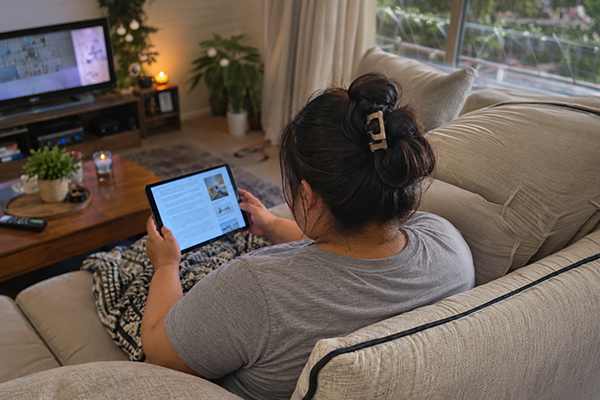
Understand what GLP-1 medications are, how they work, and what they are used for.
Learn the Basics
Learn what to discuss with a healthcare professional, including your health history, treatment goals, and possible risks.
Understand the Process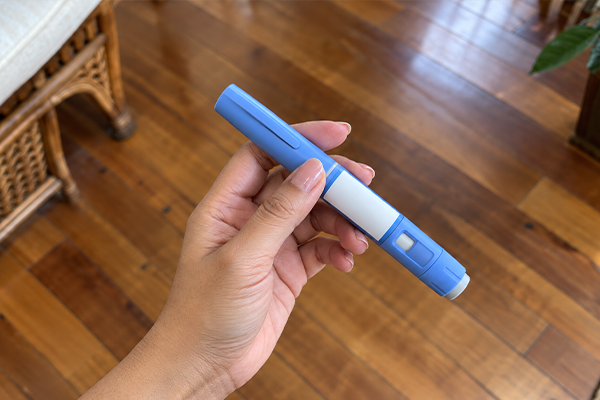
Find information about side effects, safe use, follow-up care, and questions to ask your doctor.
Explore Safety
Learn how to check product information, identify warning signs, and verify a medicine or pharmacy through official sources.
Check the ProductGLP-1 Basics
GLP-1 medications are prescription medicines that copy glucagon-like peptide-1 (GLP-1), a hormone the gut releases after you eat. They lower blood sugar and reduce appetite. Doctors prescribe them for type 2 diabetes and, with some products, for long-term weight management.
Prescription medicines that act like GLP-1, a natural gut hormone.
They slow how fast the stomach empties, help you feel full, and help the body release insulin when blood sugar is high.
Type 2 diabetes and, for some medicines, long-term weight management alongside diet and activity.
Semaglutide, tirzepatide, liraglutide, and dulaglutide.
GLP-1 medicines are prescription-only. A licensed doctor checks whether one suits your health history, sets the dose, and watches for side effects.
Medications
Acts like the GLP-1 hormone. One of the most widely studied GLP-1 medicines.
Acts on two hormone receptors, GLP-1 and GIP, which both affect appetite and blood sugar.
Older medicines in the same family, including liraglutide, and dulaglutide.
Safety
Regulators approve GLP-1 medications for specific uses, and they work best under medical supervision. Most side effects are mild and ease with time. Some need urgent attention, so knowing the difference helps you act early.
Nausea, diarrhea, constipation, vomiting, and reduced appetite, most often when starting or raising a dose.
Not for everyone. Pregnancy, certain thyroid-cancer histories, and other conditions need a doctor's review.
Doses usually start low and increase step by step. Taking more does not mean faster or safer results.
GLP-1s can affect how other medicines work or are absorbed, including some diabetes medicines and birth-control pills.
Side effects that do not ease, trouble eating or drinking, or any symptom that worries you.
Tell your doctor and anesthesiologist you take a GLP-1. These medicines can leave food or liquid in the stomach, which raises the risk of it entering the lungs during anesthesia or sedation.
Product Check
Before you buy or use it, learn what to look for.
Get started
Understand the medication.
Talk with a qualified healthcare professional.
Discuss health history, goals, and whether treatment may be appropriate.
If prescribed, obtain it through appropriate healthcare and pharmacy channels.
Ongoing support, side effects, and follow-up care.
How we keep information reliable
We cite product information, FDA Philippines guidance, and peer-reviewed sources.
We explain technical health information in direct, understandable terms.
AlaGaan does not sell, supply, or endorse any medication.